Building a Safer Manufacturing Workforce Starts in Our Classrooms
November 6, 2026
By Donny Jones, Chief Workforce Officer, Chamber of Commerce of West Alabama, and Executive Director, West Alabama Works
A recent analysis of OSHA data ranked Alabama third among the states it examined for serious forklift-related workplace injuries.
For a state that has become a leader in manufacturing, that is something we need to pay attention to.
It also made me think about something we have been working on through West Alabama Works for the past several years. What if we could better prepare our young people to work safely in a manufacturing environment before they ever graduate from high school?
That is exactly what we are trying to accomplish through our Modern Manufacturing Program.
In 2021, we began working with the State of Alabama to develop a different approach to career and technical education. We wanted to create a program that would give high school students real exposure to the skills and expectations of today's manufacturing industry, while also helping employers build a stronger pipeline of future employees.
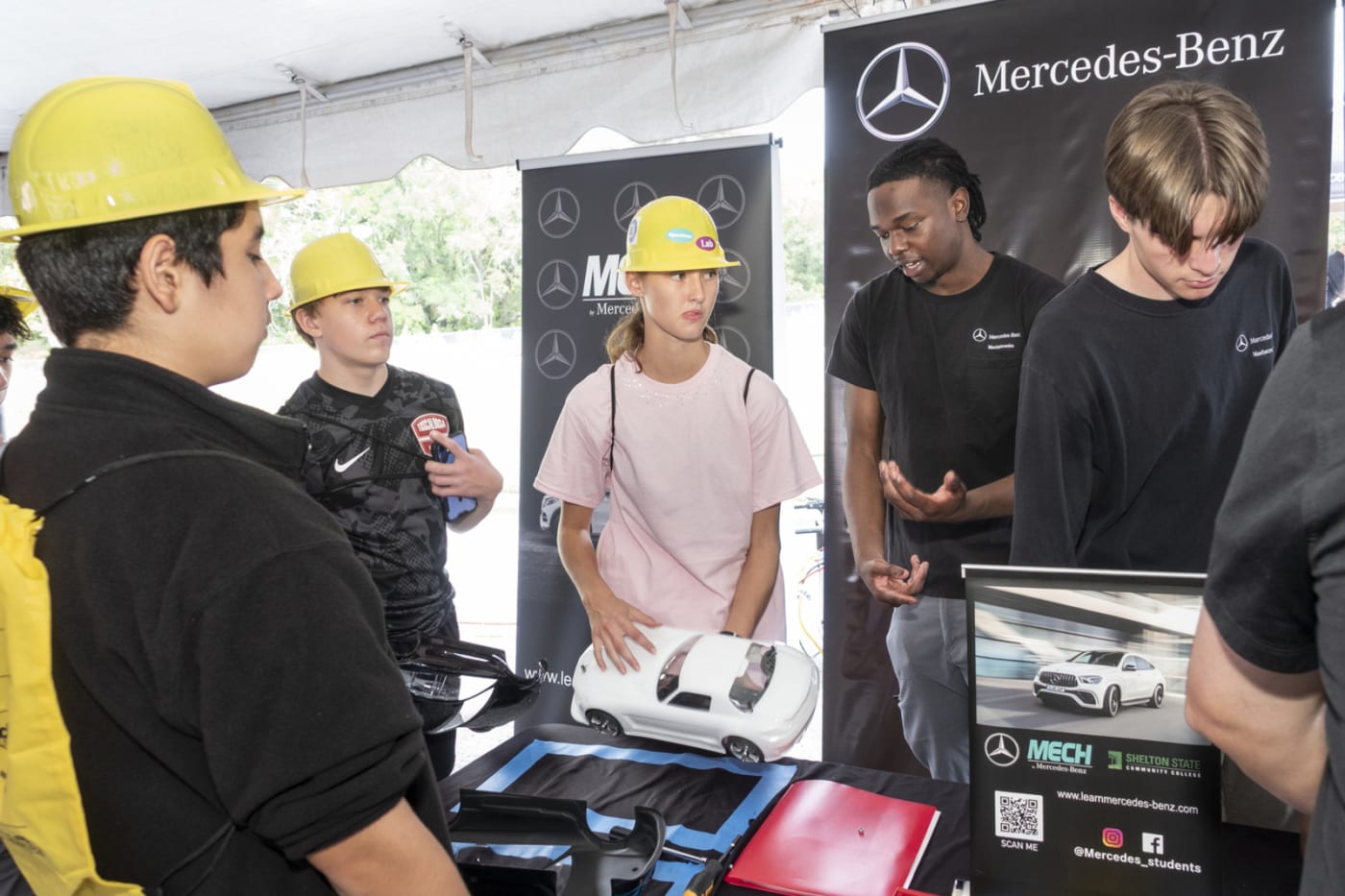
Today, that program has grown to 43 schools across Alabama, with more than 2,000 students participating this fall.
We recognized early on was that manufacturing is about much more than operating a machine or working on an assembly line. Logistics plays a major role in almost every manufacturing operation. Materials have to be delivered, moved, stored, and supplied to production lines, and all of that has to be done safely and efficiently.
That is why we have made logistics training part of every Modern Manufacturing class.
We have also introduced forklift simulators that allow students to spend hours learning how to operate a forklift in a virtual manufacturing environment.
Think about that for a minute. We have high school students who can begin learning the fundamentals of forklift operation, recognizing potential hazards, and understanding the importance of safety before they ever get behind the wheel of an actual forklift.
These simulators use virtual reality technology to put students in situations they might encounter in a manufacturing facility. They can practice operating the equipment, moving materials, and responding to hazards, including pedestrians working around forklifts.
The system tracks their performance and provides immediate feedback. If they make a mistake, they can learn from it and try again without putting themselves or someone else at risk.
It also helps students build confidence and familiarity with the equipment before they enter the workforce. They will still need the required hands-on training and evaluation before operating a forklift on the job, but they will have a much better understanding of what is expected of them.
I believe that can make a real difference.
When you talk with manufacturers, safety is always one of their top priorities. But so is productivity. Employers need people who can come to work, understand the environment they are working in, and contribute to the operation.
If we can send students into the workforce who already understand basic manufacturing principles, workplace safety, logistics, and the importance of doing things the right way, we are giving both the employee and the employer a head start.
And forklifts are just one part of what we are doing.
Our Modern Manufacturing students are being introduced to electrical systems, automation, production processes, quality control, and other skills that are important in today's manufacturing environment. They are also learning the basic employability skills that every employer tells us they need: showing up on time, working with others, solving problems, and taking responsibility for their work.
We have structured the program so students can build on what they learn, earn industry-recognized credentials, and have opportunities to continue their education or move directly into employment.
Another thing I believe we are getting right is how we are using technology to engage students.
Young people today have grown up with technology. They are comfortable with it, and they expect to use it. So why wouldn't we take advantage of that in the classroom?
When students put on a virtual reality headset or sit down at a forklift simulator, they are doing more than listening to someone explain how something works. They are experiencing it.
That is a big difference.
We have to remember that many of these students have never been inside a manufacturing facility. They may not have a parent or family member who works in manufacturing. They may have no idea about the opportunities available to them right here in Alabama.
But when we introduce them to modern equipment and technology while they are still in high school, we can open their eyes to careers they might never have considered.
And just as importantly, we can begin teaching them the right habits early.
I have always believed that workforce development is about more than simply helping someone find a job. It is about giving people the skills and opportunities to build a career and a better life for themselves and their families.
That is why programs like Modern Manufacturing are so important.
Alabama has been very successful in attracting major manufacturers and creating thousands of jobs. But if we want to continue that success, we have to make sure we are preparing our young people for the jobs that are being created.
We cannot wait until someone graduates from high school and goes to work to begin teaching them about safety, technology, and the expectations of industry.
We need to start earlier.
A recent University of Alabama report on educational opportunities in the Black Belt even identified expanding modern manufacturing programs in high schools as one of its recommendations. That tells me we are moving in the right direction, but there is still more work to do.
The recent OSHA injury findings are a reminder of why this matters. Every workplace injury affects a person, a family, and an employer. If we can help prevent even some of those injuries by better preparing students before they enter the workforce, that is an investment worth making.
I am proud of what we have been able to been able to accomplish through West Alabama Works and our partnership with the State of Alabama. But I am even more excited about where this program can go.
We have an opportunity to change the way we prepare students for manufacturing careers, not just in West Alabama, but across our entire state.
I believe the investment we are making today in technology, training, and career and technical education will pay off for years to come through safer workplaces, more productive employees, and stronger communities.
If we want to build a better manufacturing workforce tomorrow, we need to start in our classrooms today.
To learn more about the Modern Manufacturing Program and how your school system can sign up to participate, visit www.learnmanufacturing.com.
For more information about West Alabama Works and its workforce development initiatives, visit westalabamaworks.com.